Næste gang: 25. oktober
Courses: Nature's Craft
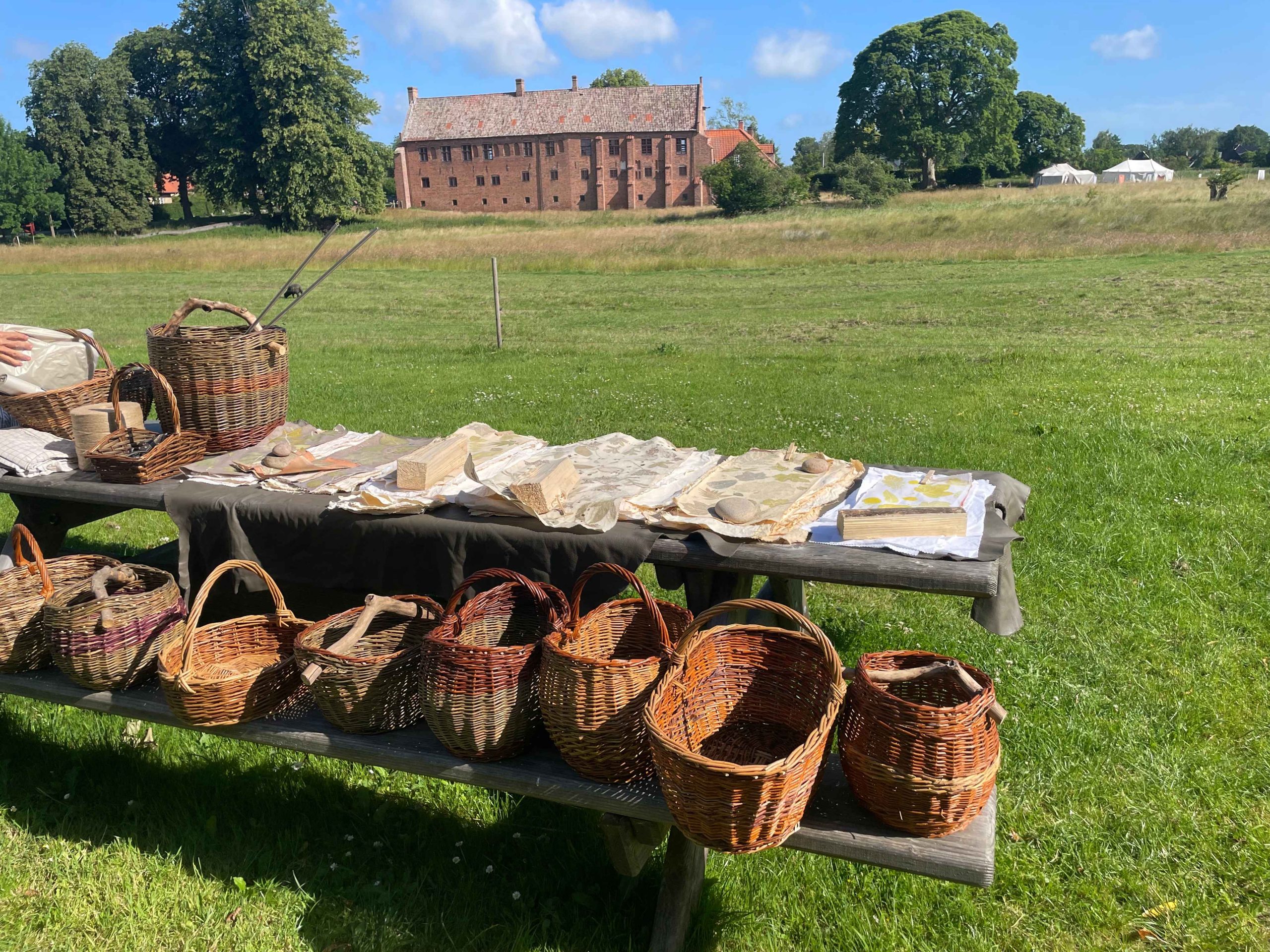
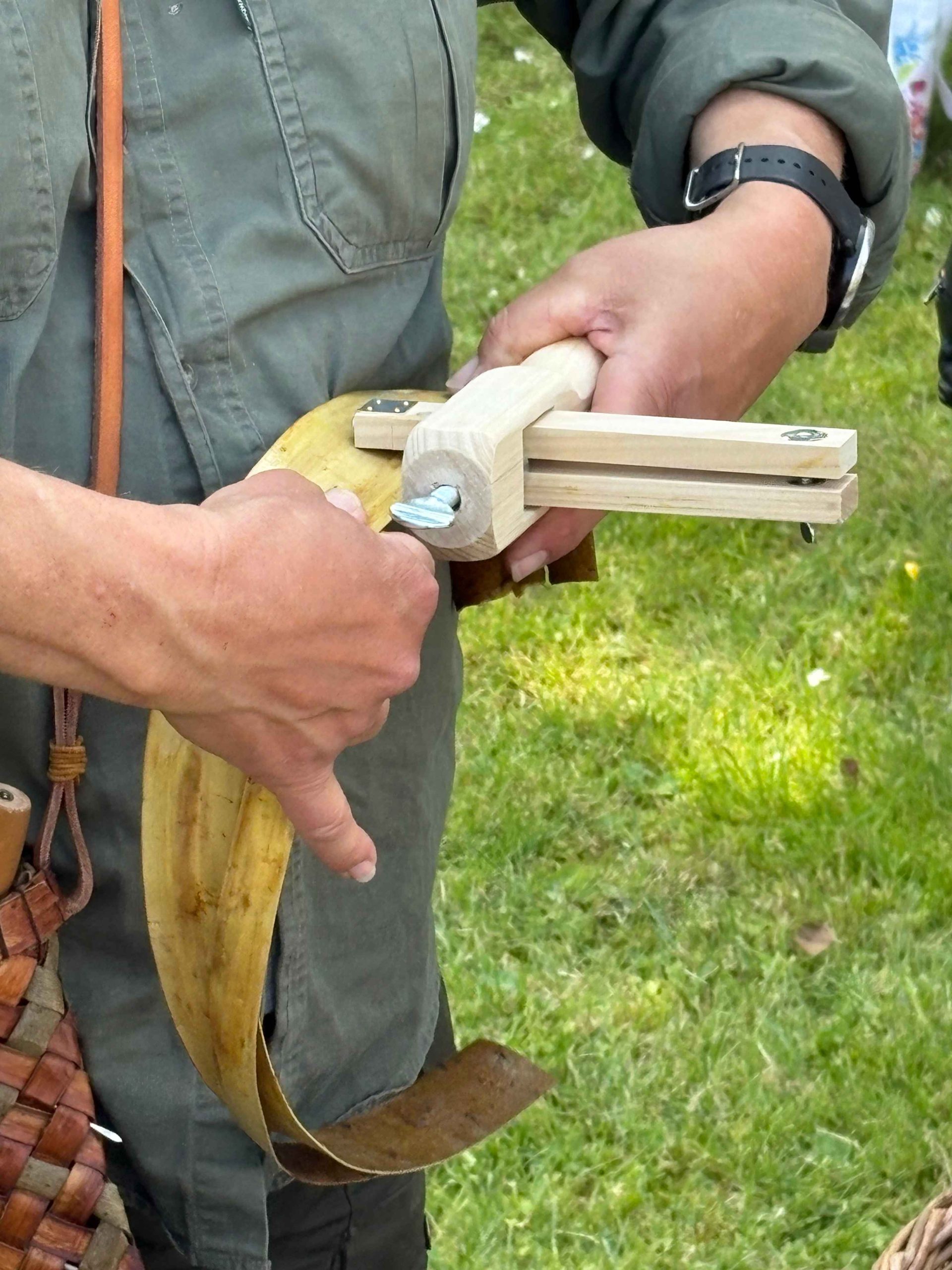
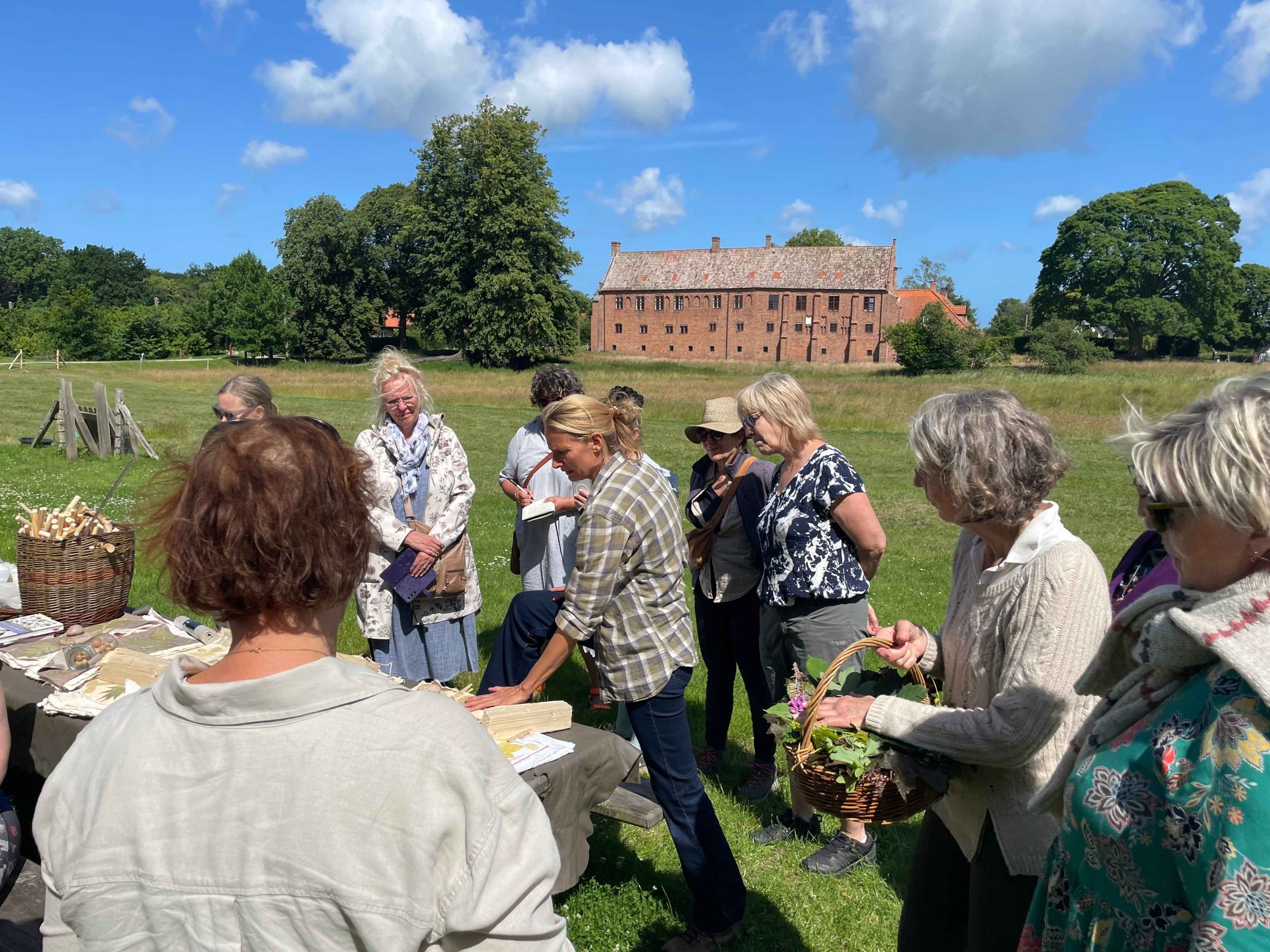
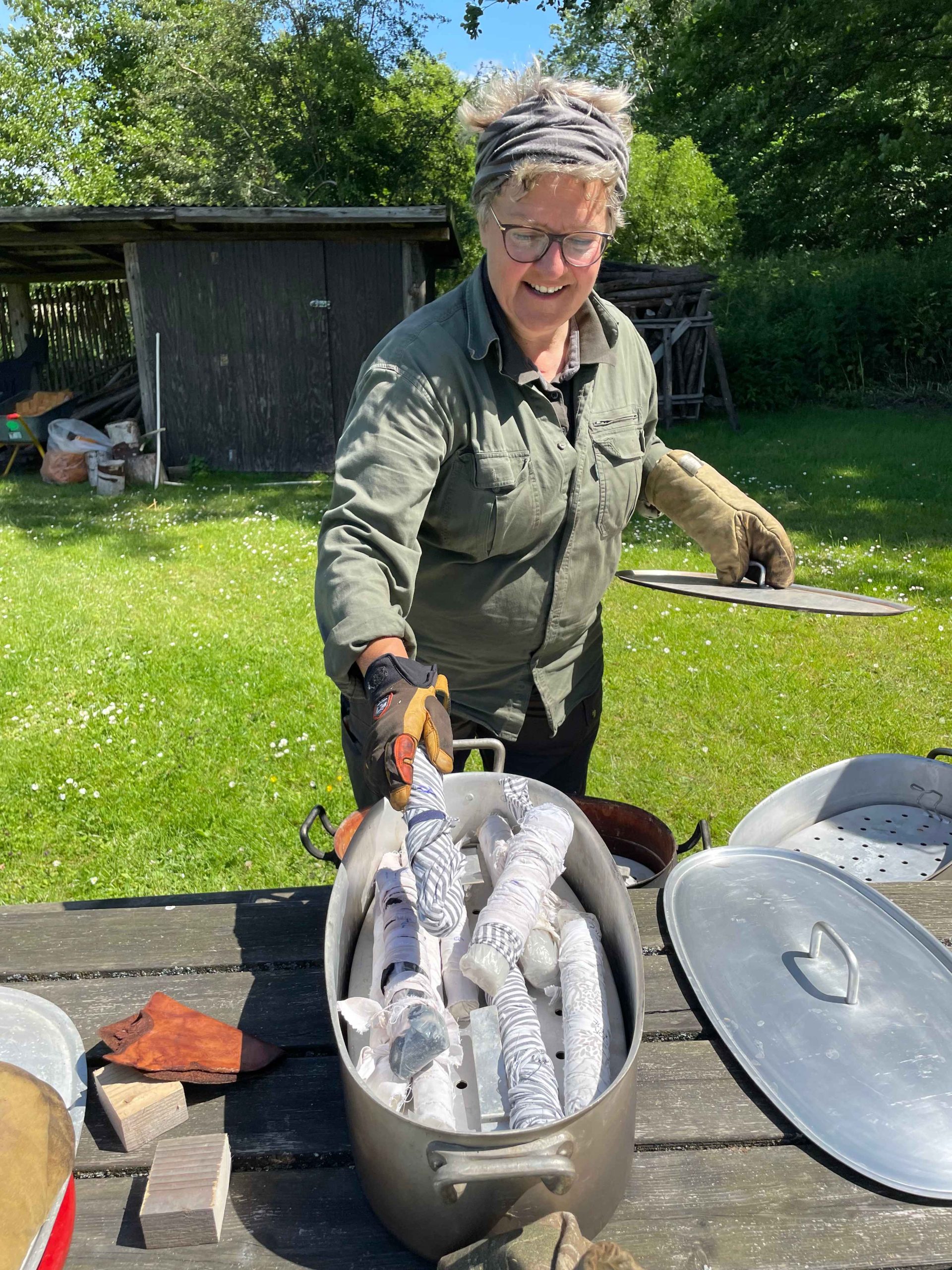
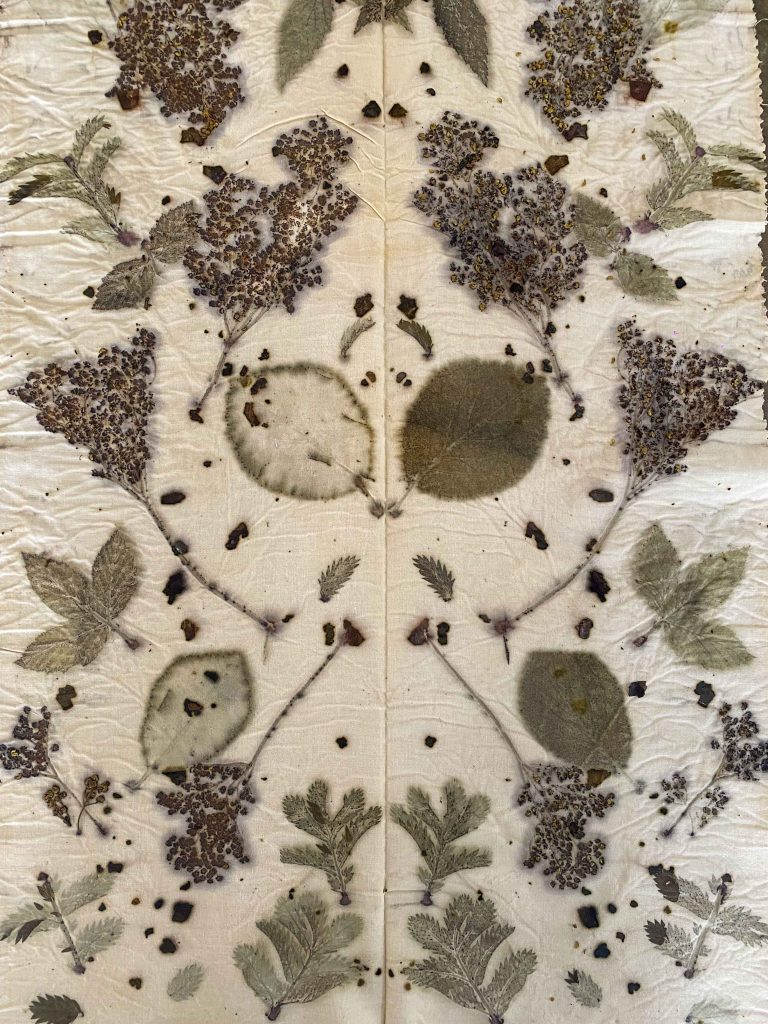
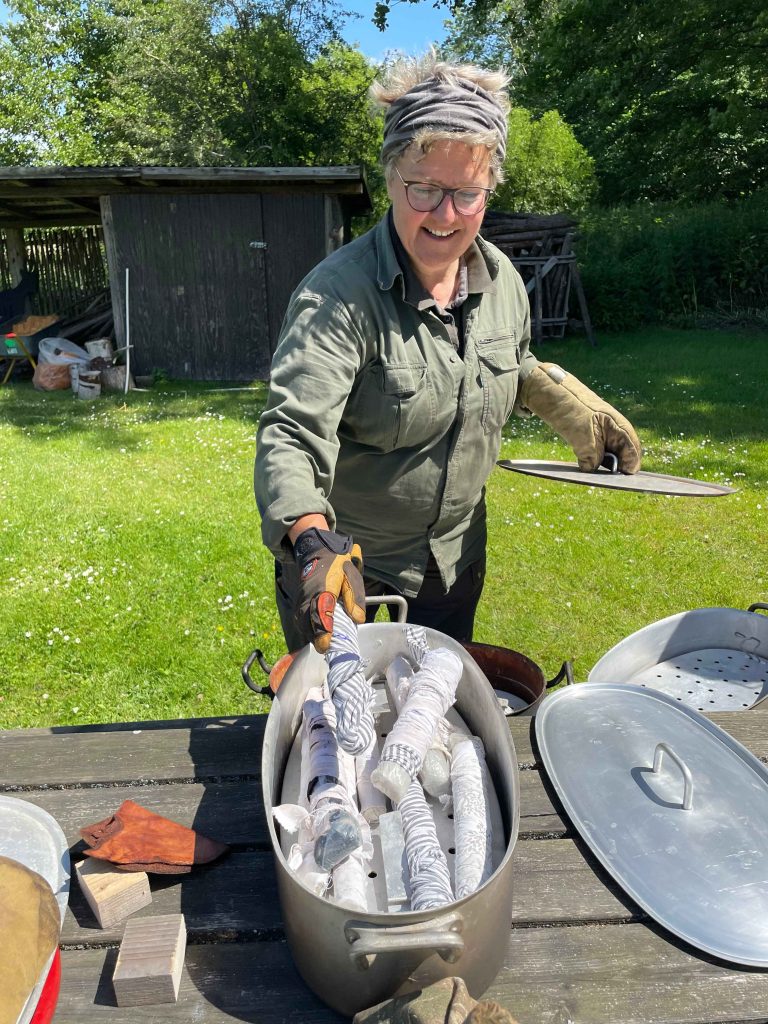
Learn how to create beautiful products from natural materials and spend a day outdoors in the beautiful monastery landscape. Instructor and clothing designer Regine Thomsen will guide you through the entire process of the various crafts.
Take a break from the screen and spend the time learning a new traditional craft.
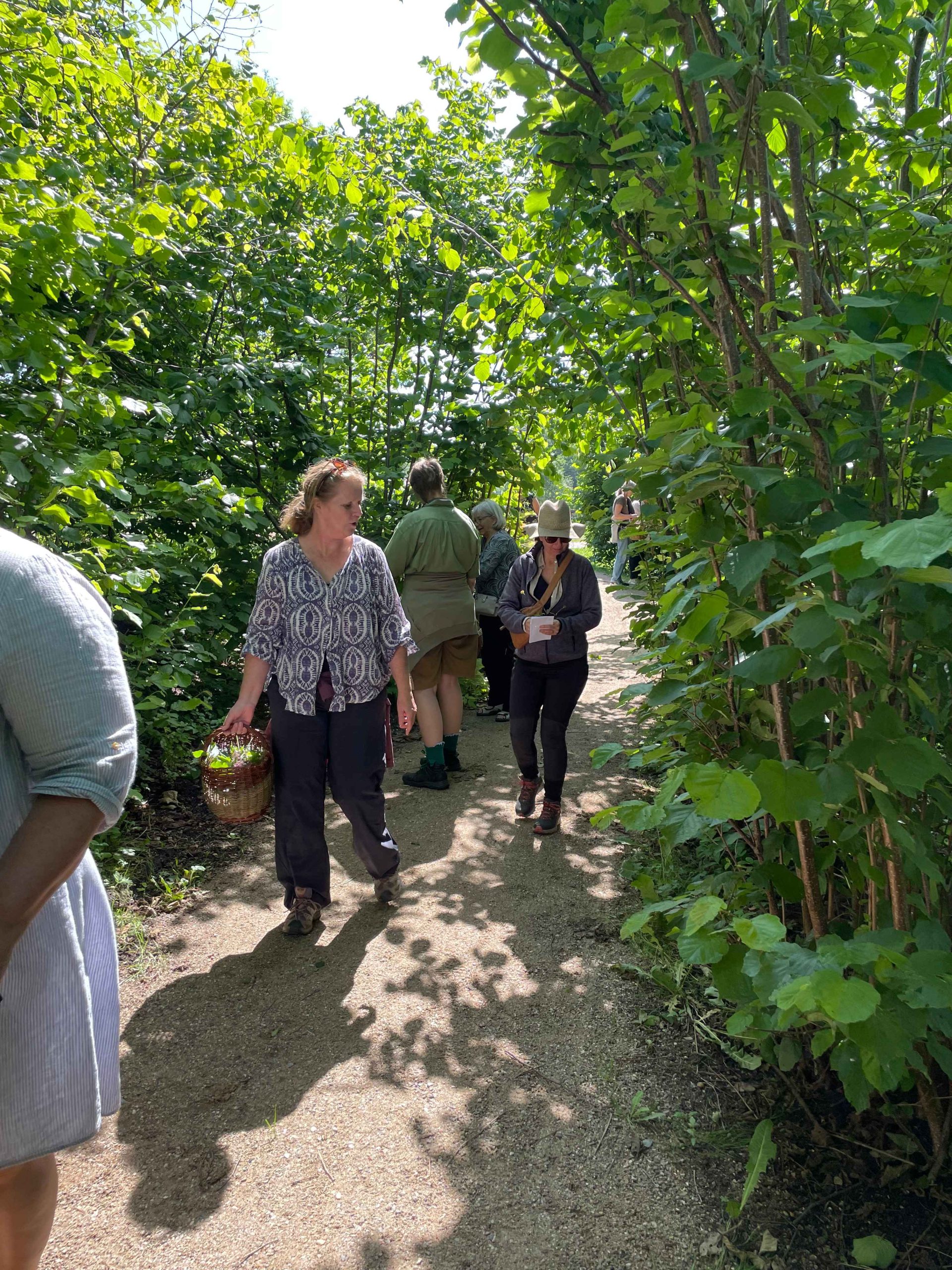
All the classes take place outdoors, where we both harvest and create beautiful products
Tickets
Learn how to create beautiful products using natural materials.
In these courses, you’ll learn about the cultural and historical background of these crafts, gain practical skills for gathering materials from nature, and receive expert one-on-one guidance in the craft. We’ll have plenty of time for learning, conversation, and immersing ourselves in the craft.
As an outdoor instructor and bushcrafter, Regine Thomsen has many years of experience working with crafts made from natural materials.
Hopefully, you’ll come home with plenty of inspiration to keep working on your own.
Practical Information
- Time: See the schedule for each course on this page
- Meeting place: We’ll meet in the courtyard at Møllegården, in front of Møllecafeen
- Refreshments: We’ll serve tea, coffee, and cake during the session. Lunch is not included in the course. Please bring a packed lunch or buy something at the café.
- Remember: Dress for the weather. We’ll be outside all day.
- The courses require no prior technical skills—just a desire to learn something new.
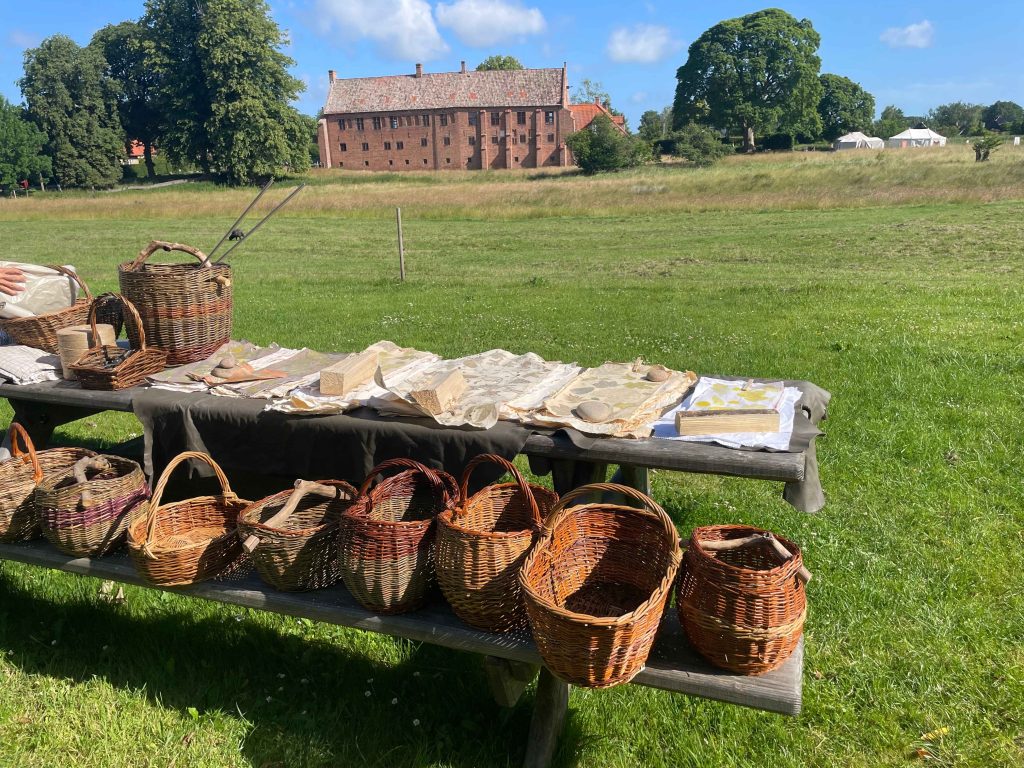

Sunday, October 25: Historical Bushcraft
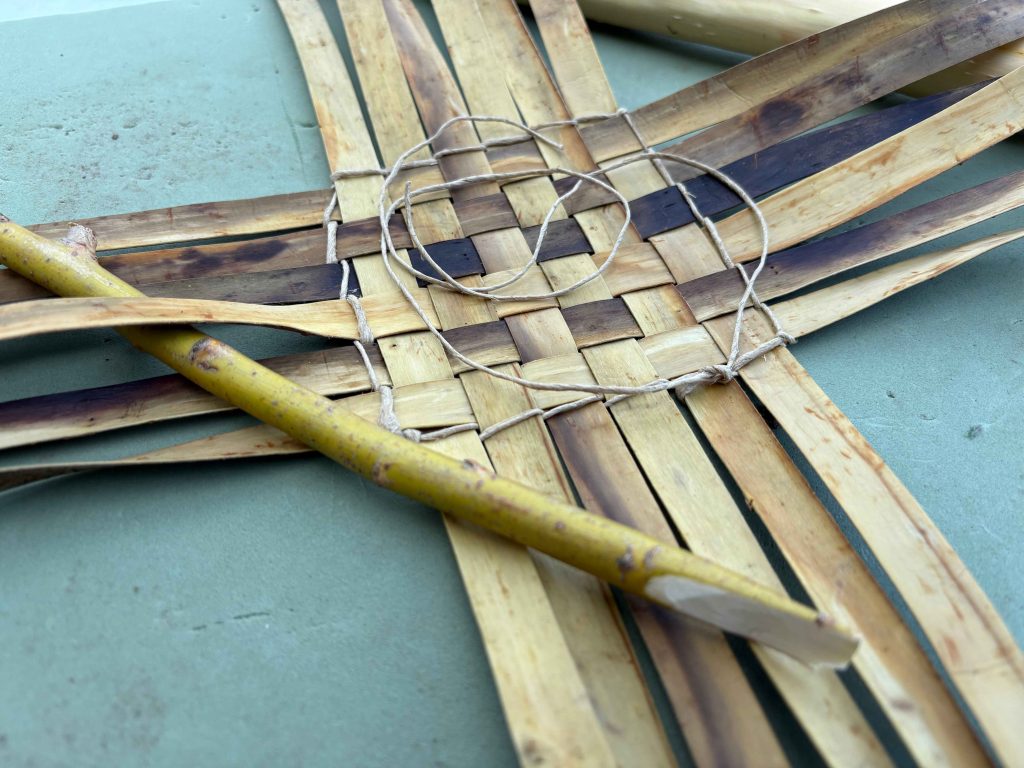
Get your hands on a natural material with deep roots throughout the Nordic region. The cultural history of the hazel tree stretches back more than 10,000 years, and it has been an important resource from the earliest peoples onward throughout history.
Our ancestors took advantage of the hazel tree’s toughness and flexibility to make useful items such as fishing traps, wicker fences, handles, and other tools. For Stone Age people, the nutrient-rich hazel berries were a particularly important source of energy for survival.
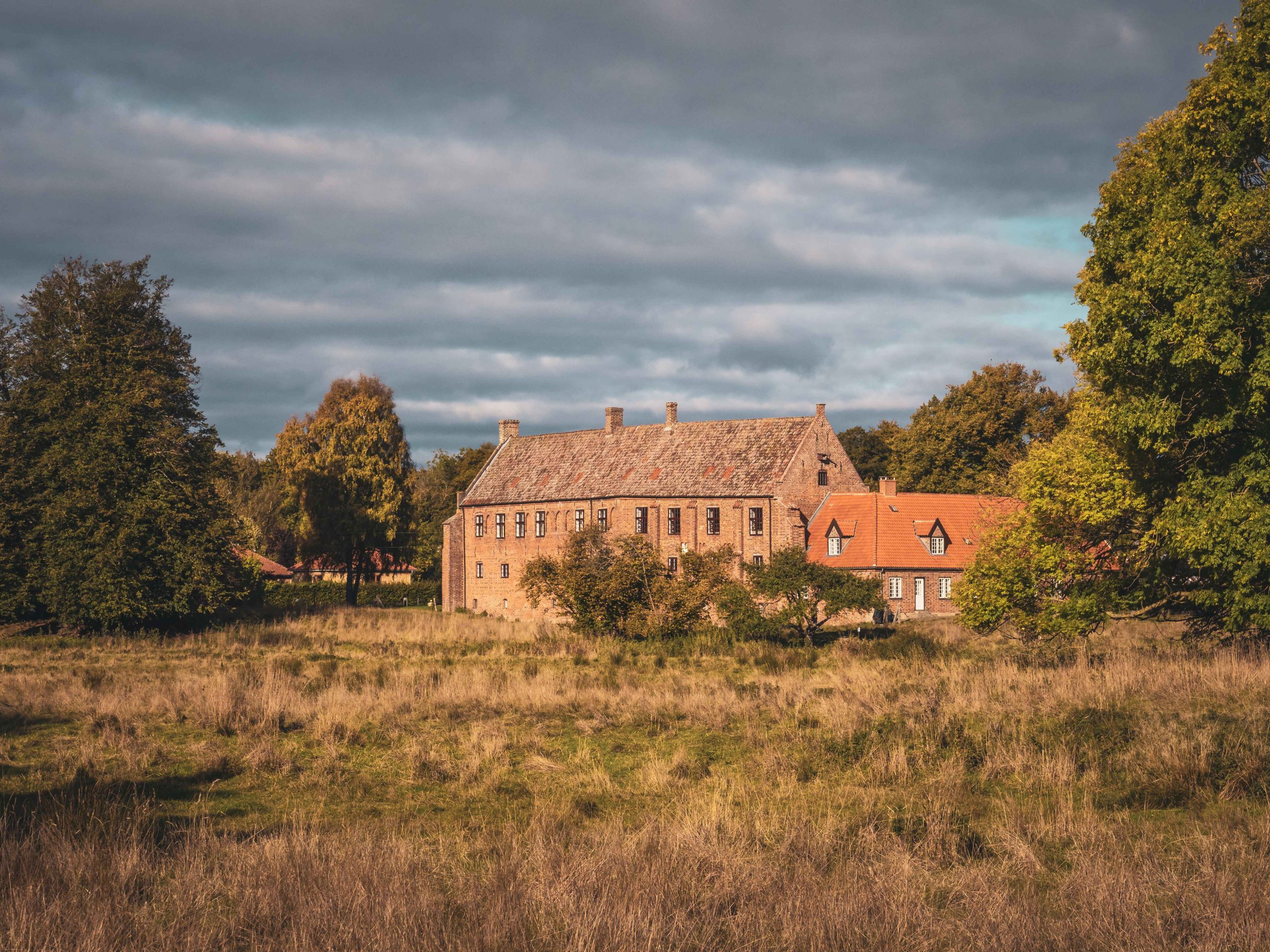
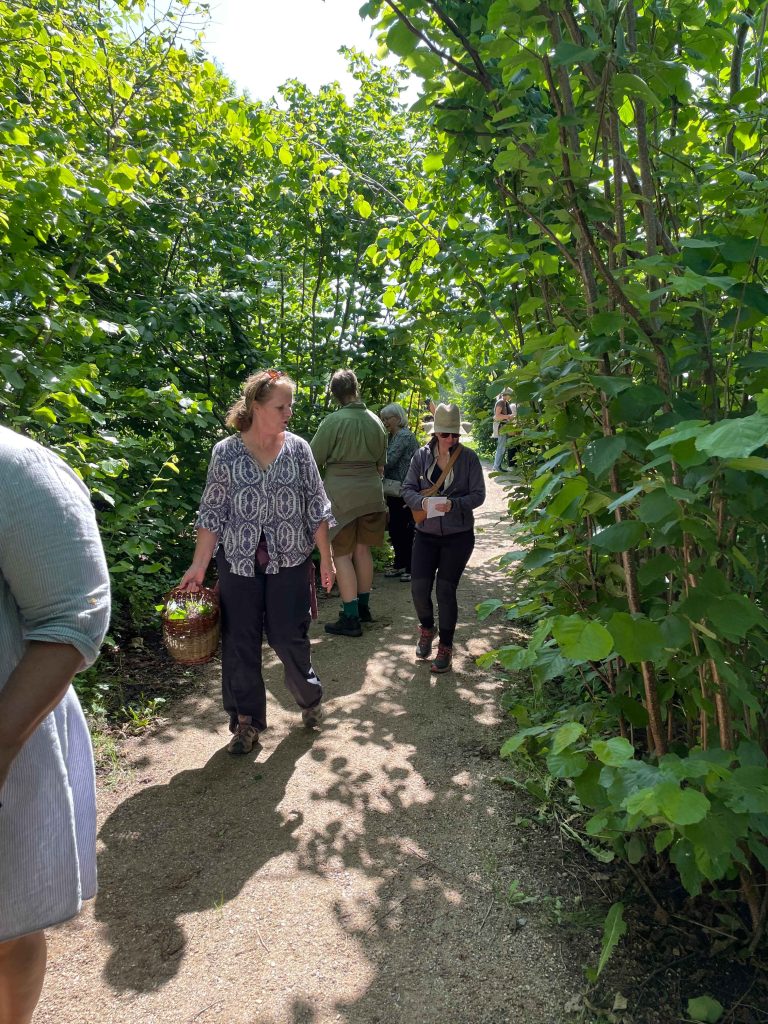
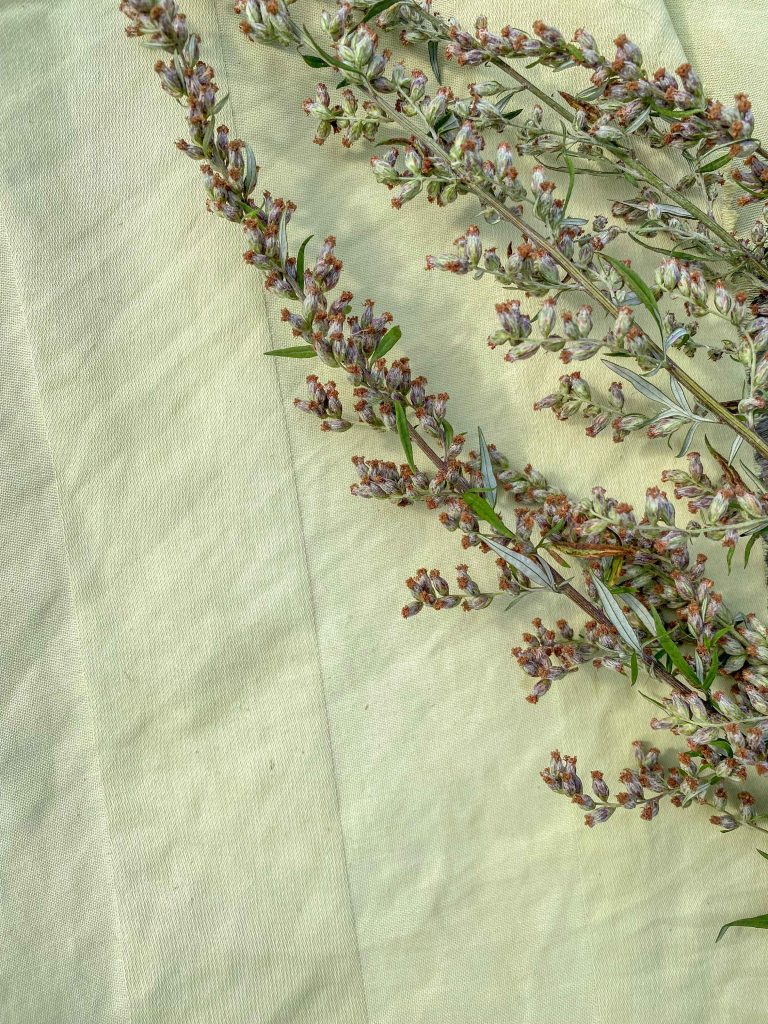
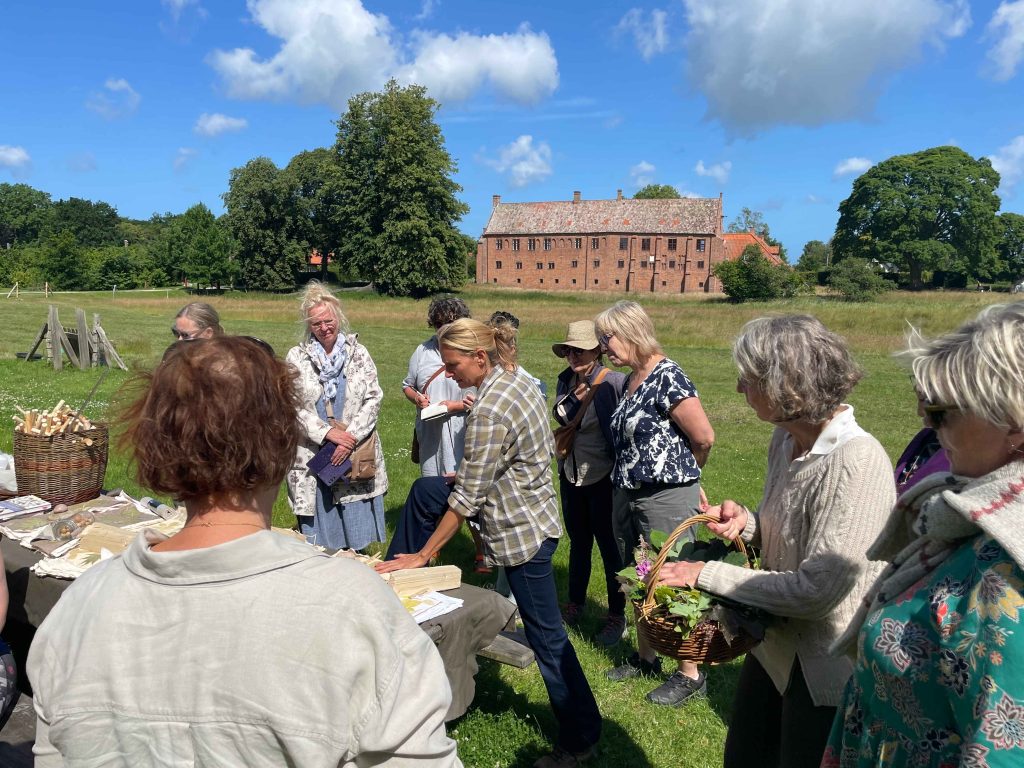
We’ll head out into the cultural landscape near Esrum Abbey to gather hazel; along the way, we’ll collect natural kindling to build a fire and plant fibers to make rope.
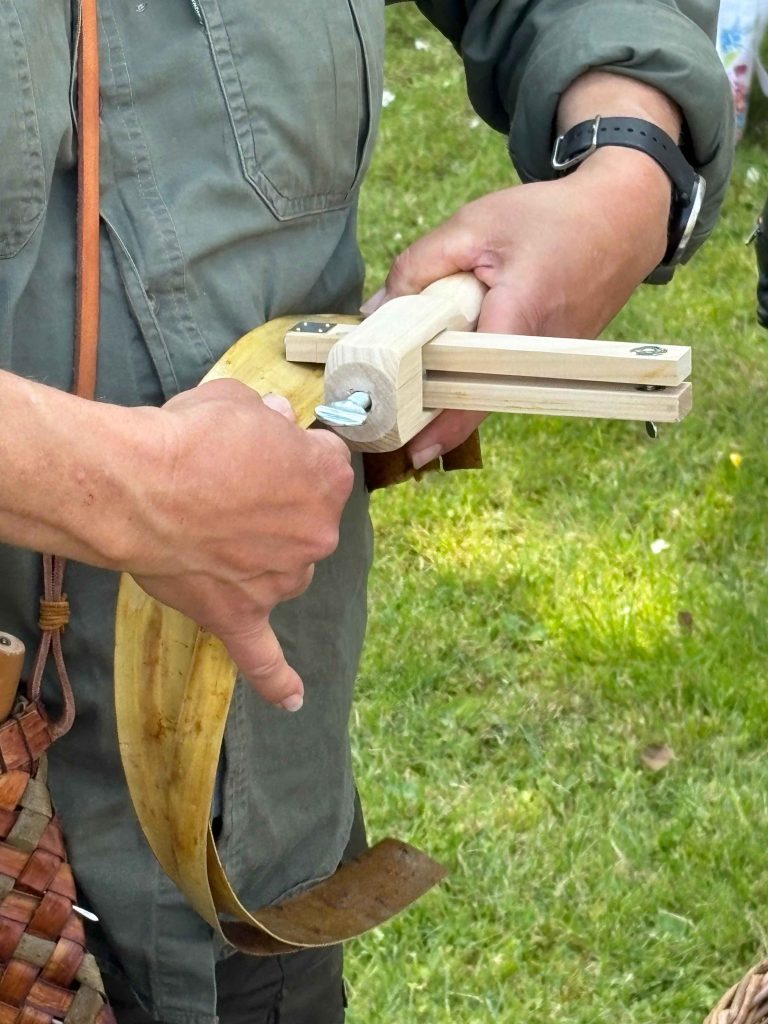
The hazel branches are used to make frame saws and wilderness chairs using classic bushcraft techniques.
We’ll wrap up the day with a meal prepared over a campfire together.
Buy a ticket for a historical bushcraft experience