Næste gang: 21. juni

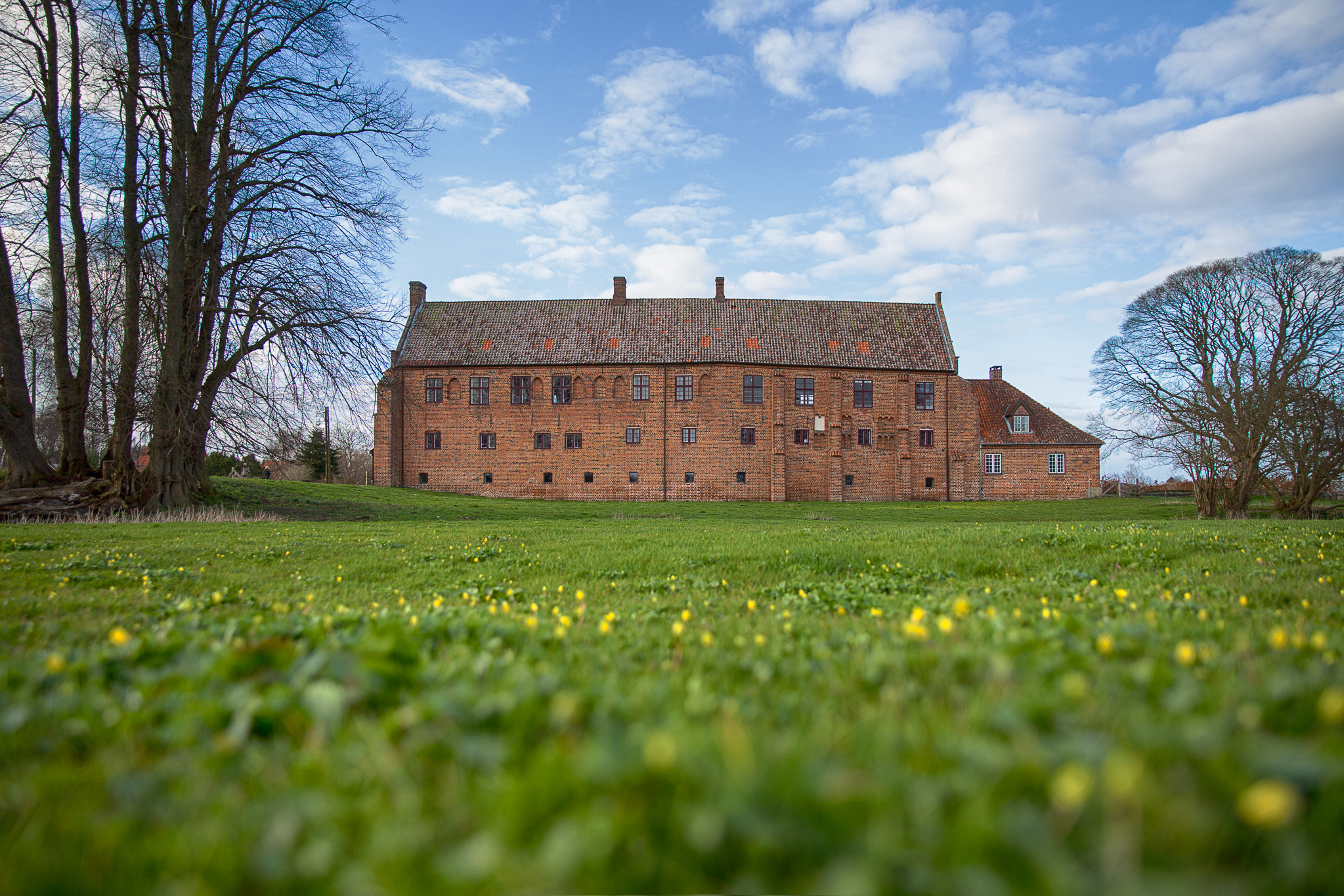
Taste the abbey garden

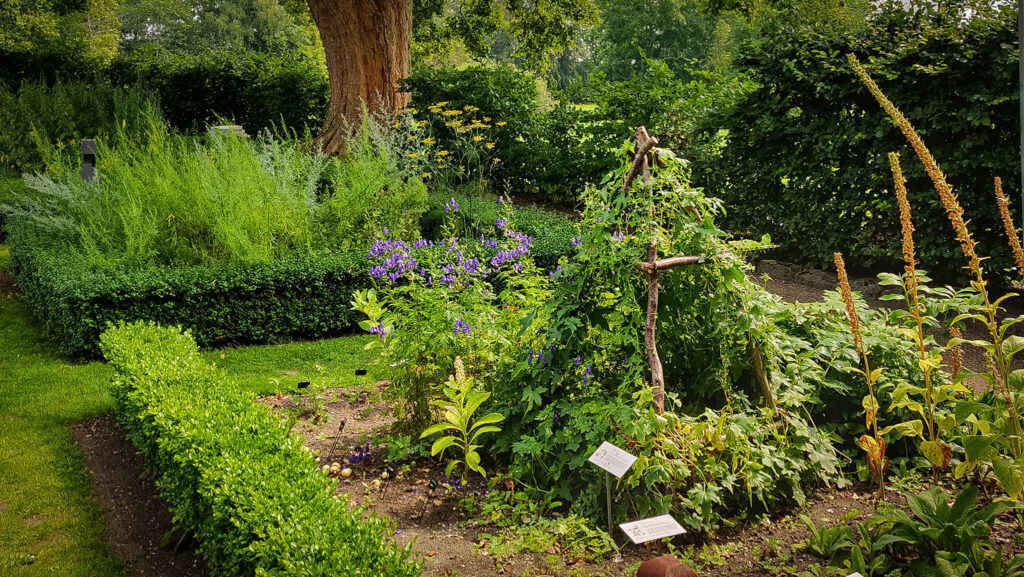
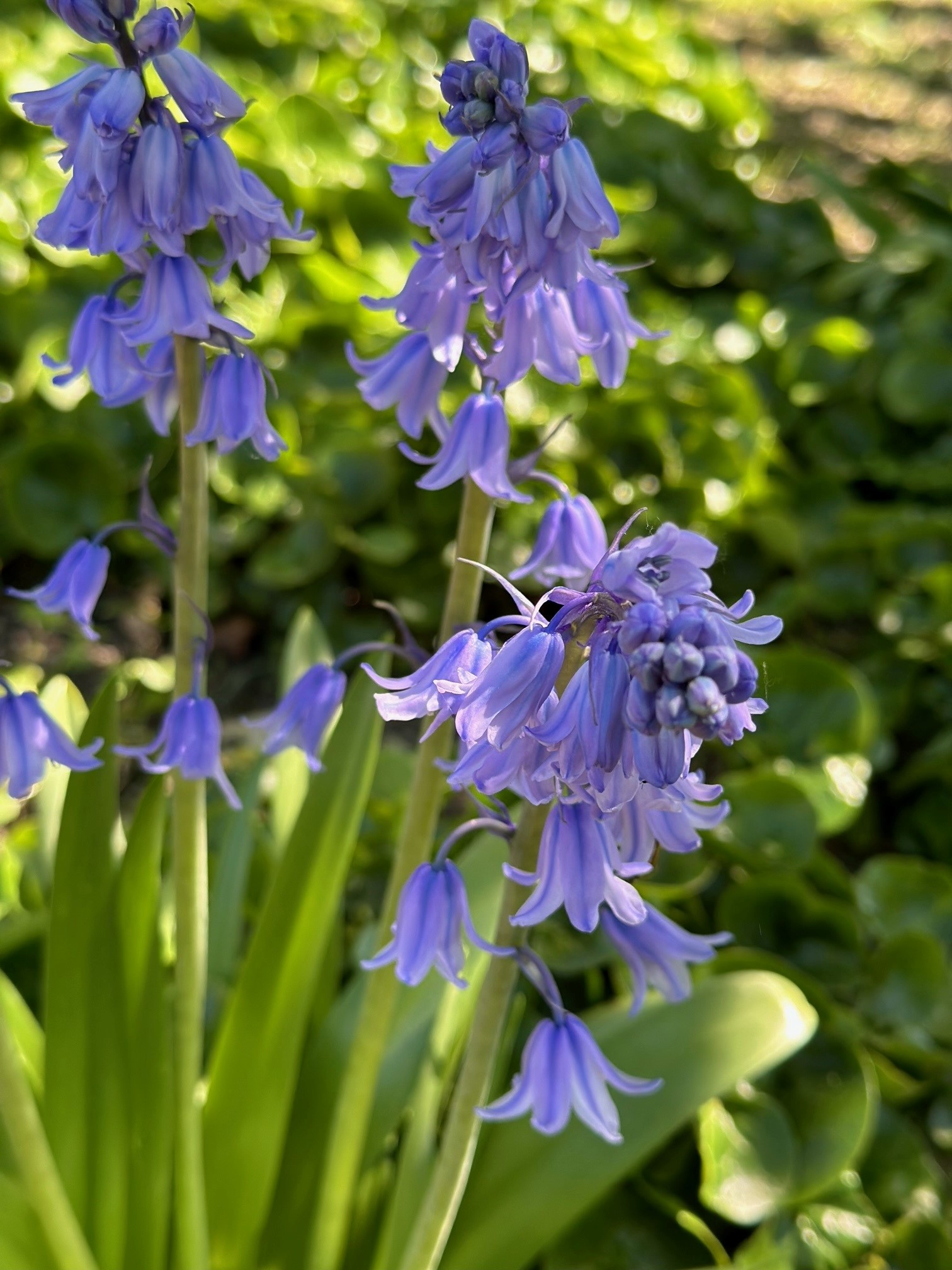
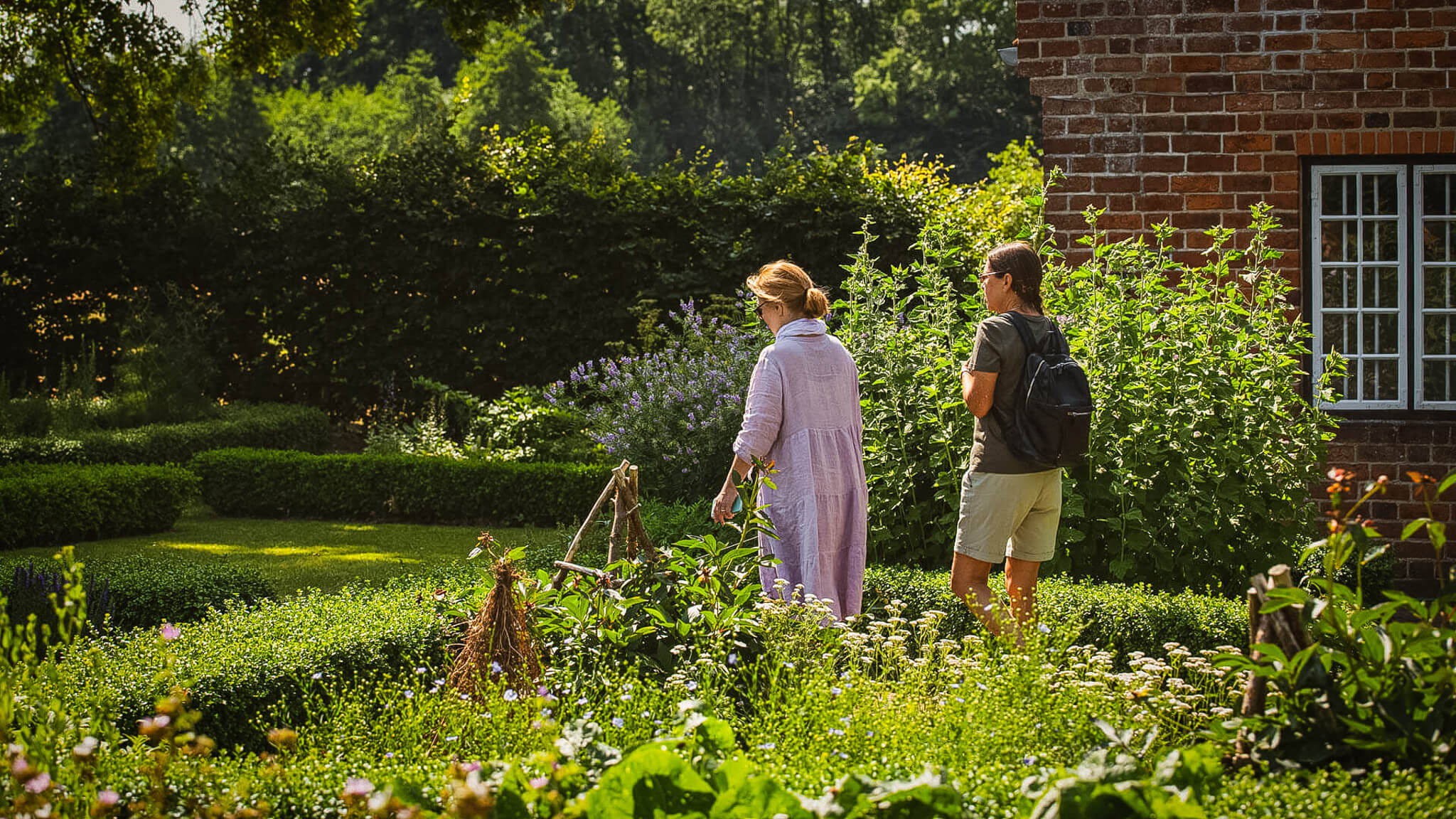
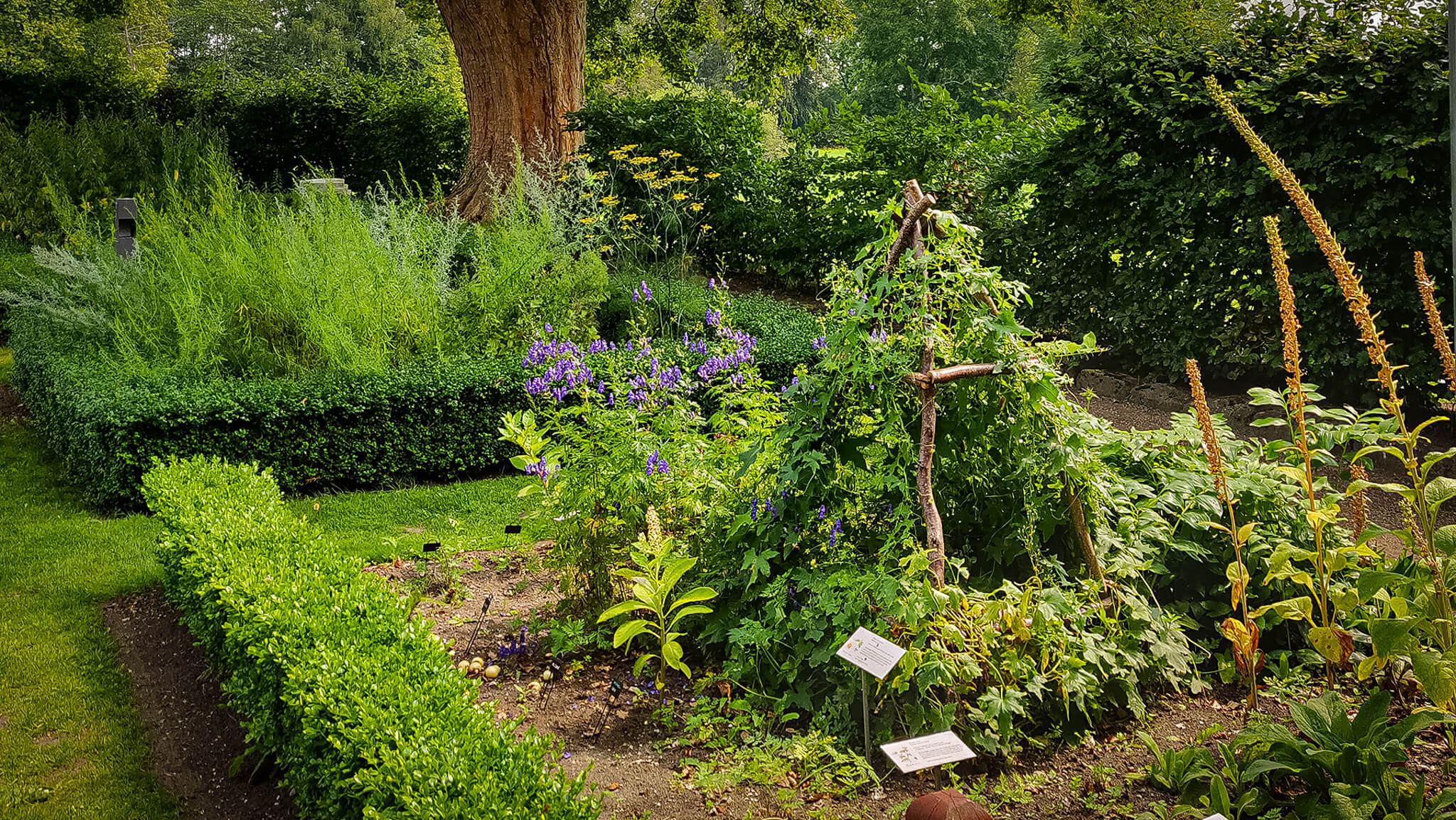
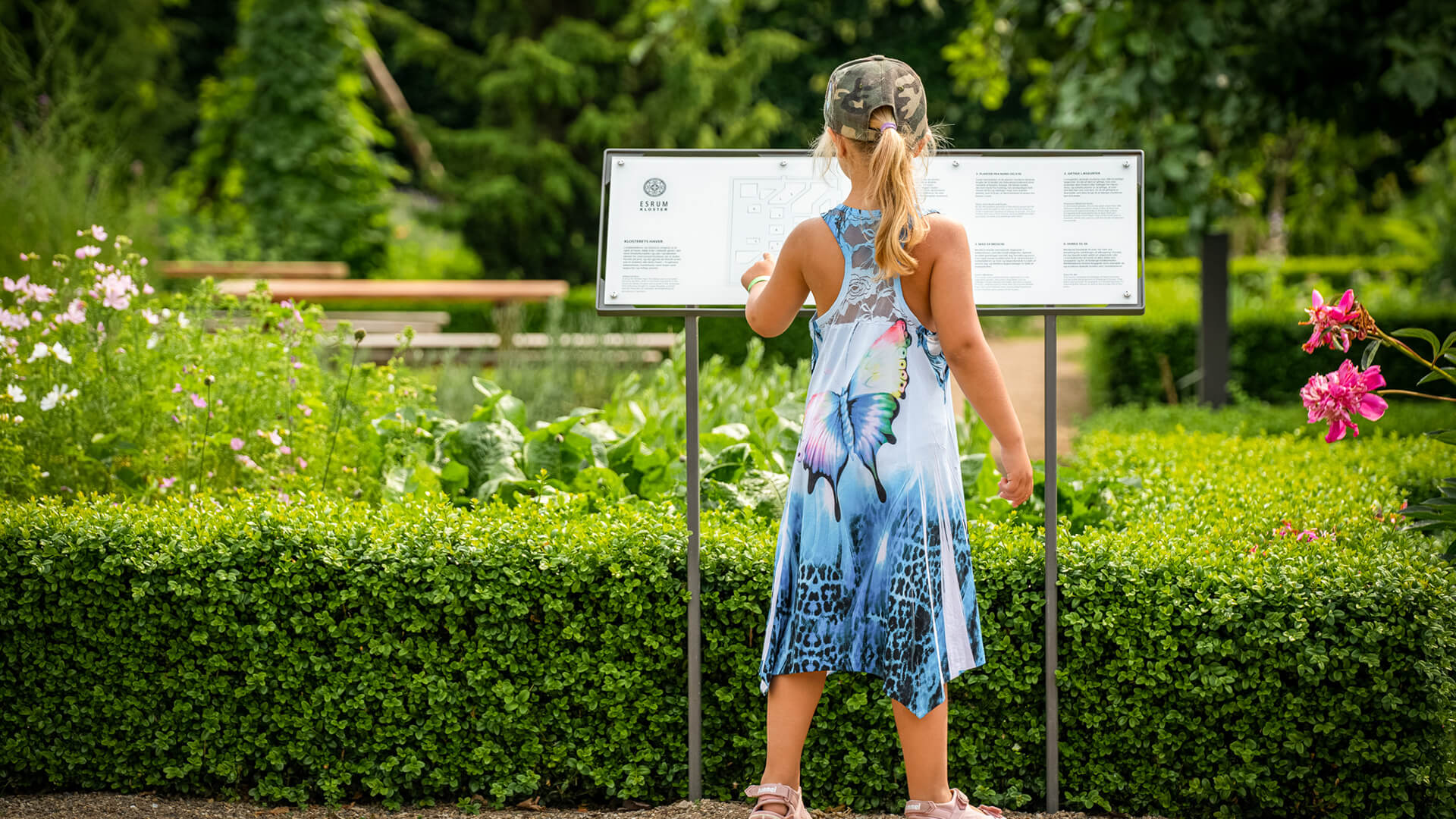
Take in the scents of the blooming monastery garden and taste different monastic products - medicinal herbs, beer and jams from European monasteries. Hear stories about the plants in the monastery garden in Esrum and around Europe.

How did the monks use the plants medicinally? What worked and what didn't?
Where do plants come from? How did the monks cultivate the land? And what was the monks' view of nature?

Learn how the monks at Esrum Monastery have grown vegetables, fruits and herbs to supply the monastery's kitchen and their nursing care in the many gardens

Tickets

Sunday, June 21st

14:00 - 15:30

Adult

225 kr.

Sunday, August 16th

14:00 - 15:30

Adult

225 kr.

Taste the monastery garden

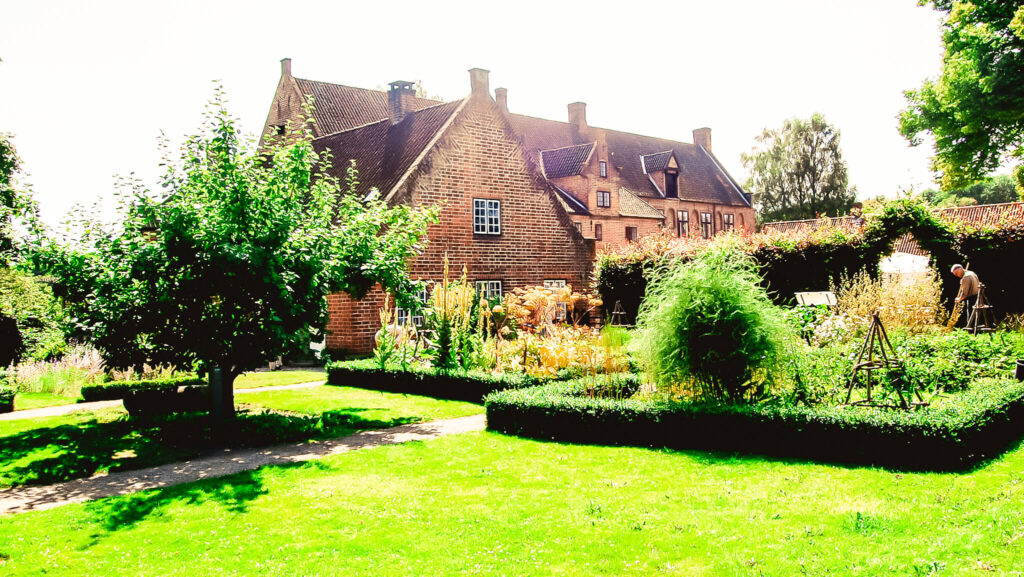
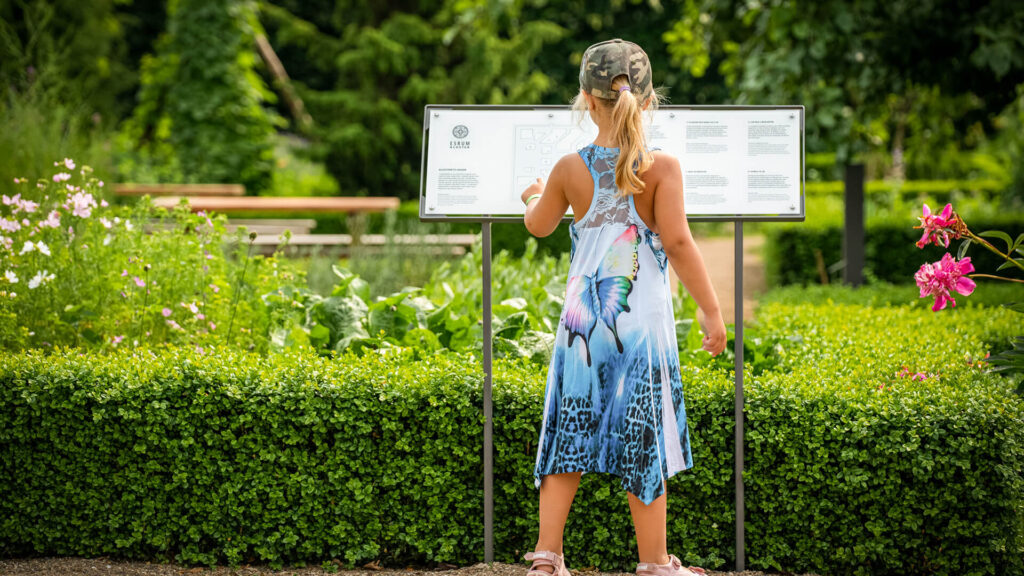
At ‘Taste the Monastery Garden’ you will taste, sense and learn about the monastery garden. The many plants, fruits and herbs in the garden each had their own function in the heyday of the monastery, and we tell you how the monks used them both in the kitchen and in their nursing.

You’ll taste the herbs in the garden as well as beer, jams and other products produced in living monasteries in Europe by nuns and monks who carry on ancient crafts and traditional recipes. You’ll learn what healing effects the plants had according to the monks’ beliefs and get a lot of stories with a twinkle in your eye.
The many gardens

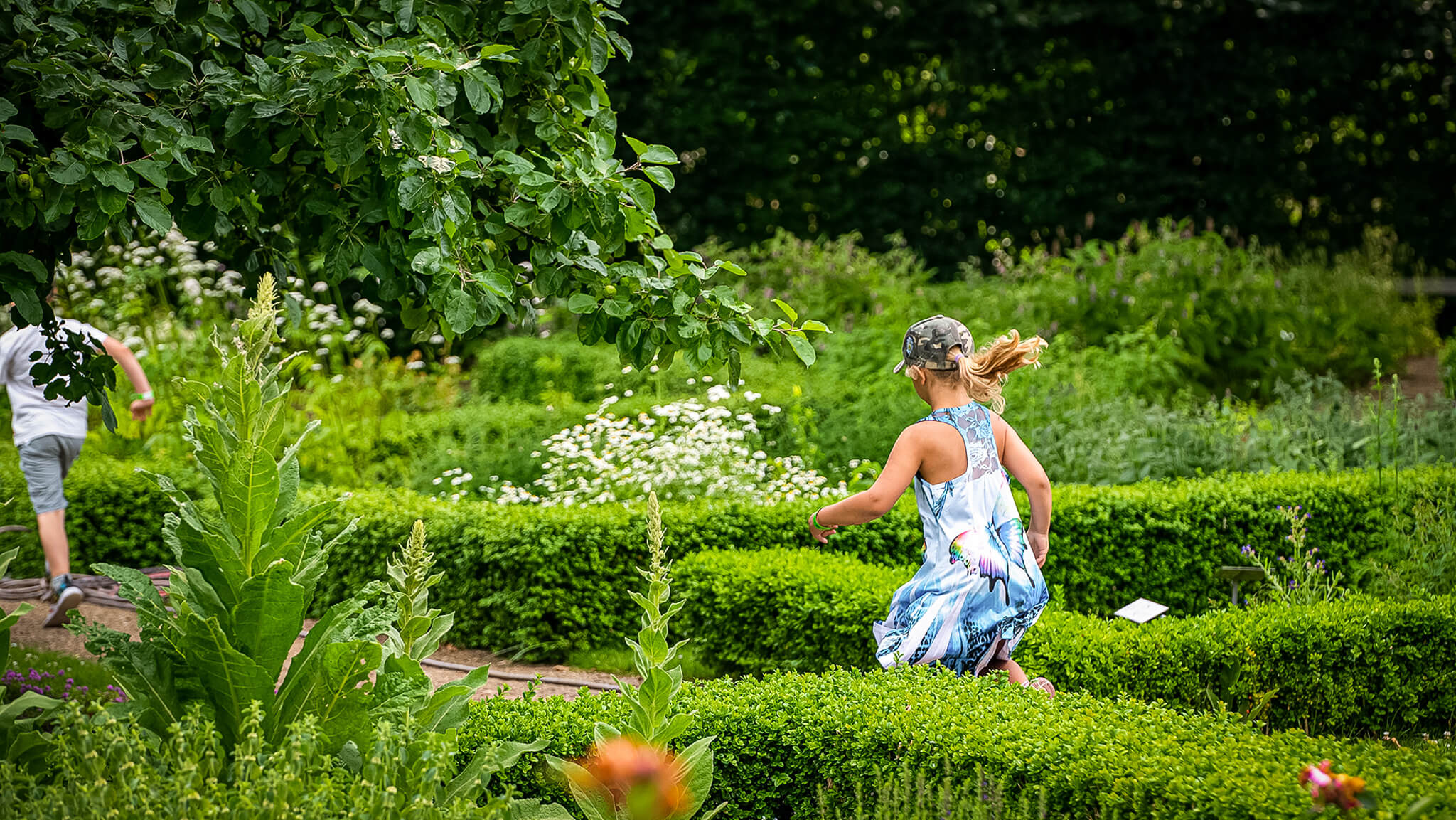
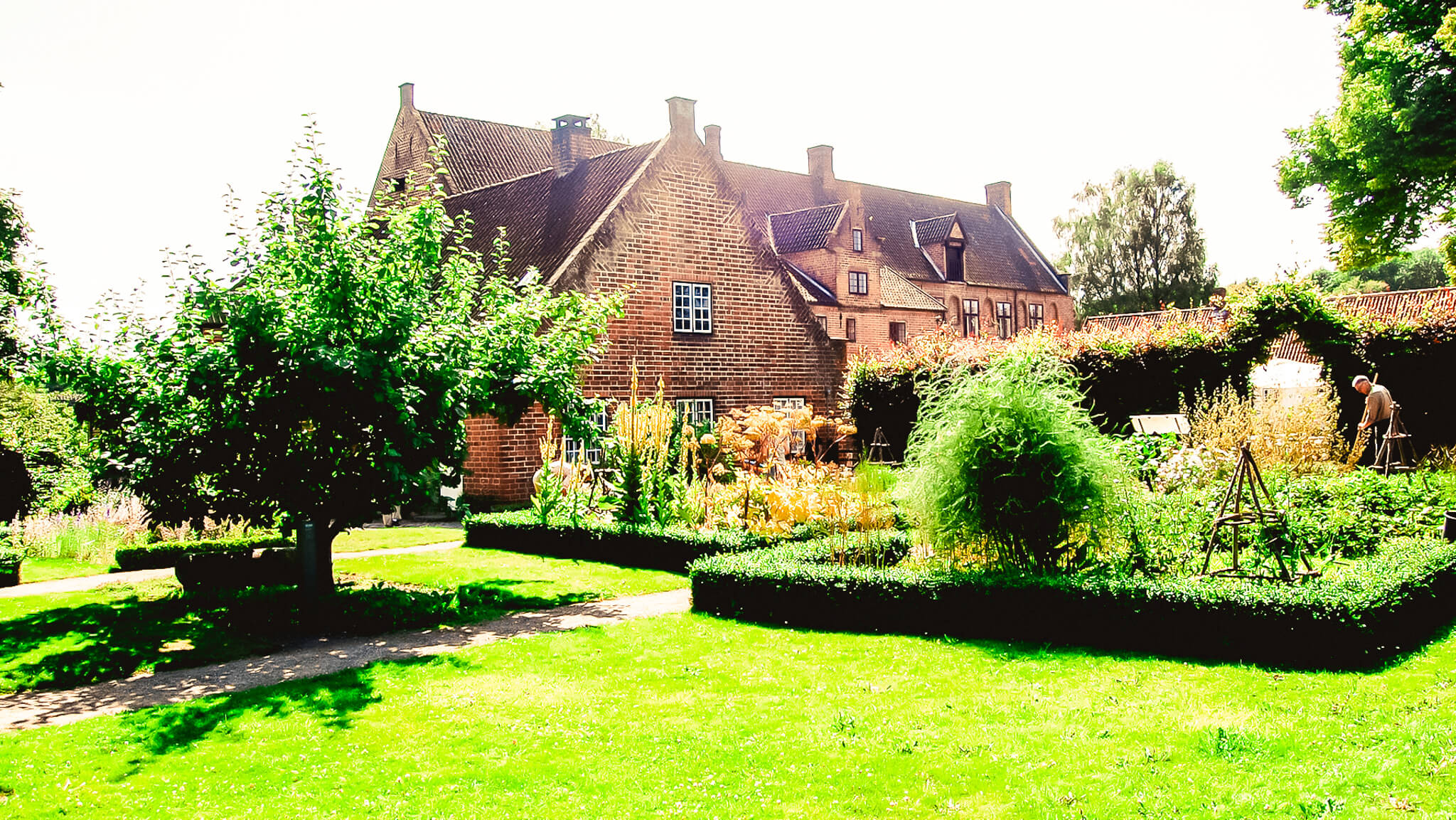
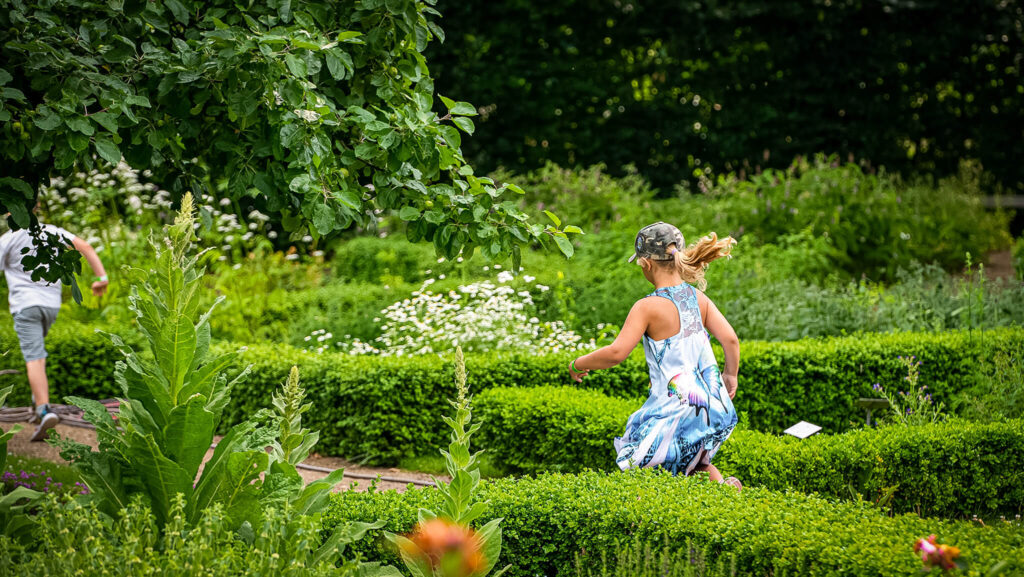
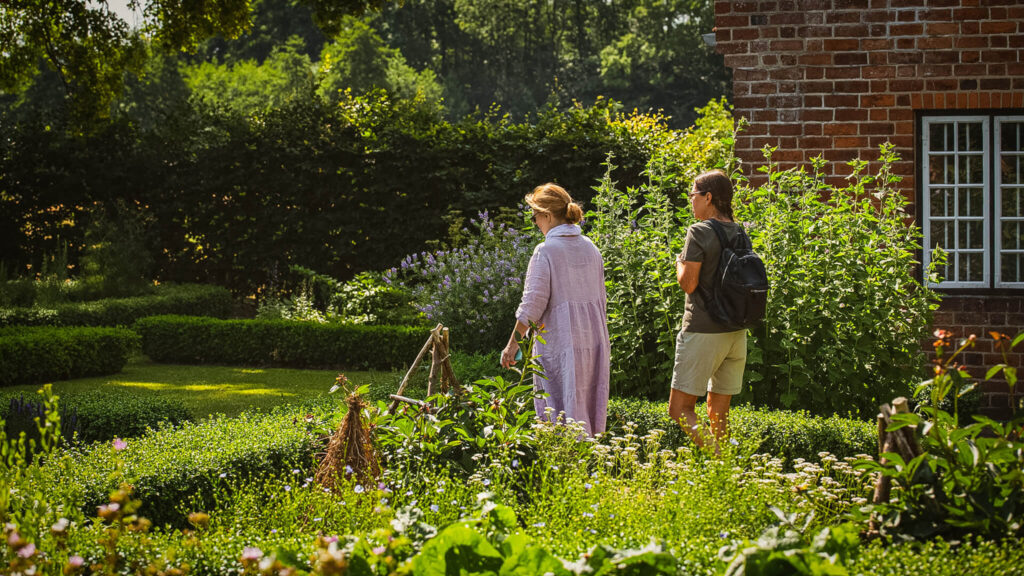
The monks’ desire to live secluded from the outside world also means that they must be self-sufficient. They have grown vegetables, fruits and herbs to supply the monastery’s kitchen in their many gardens.

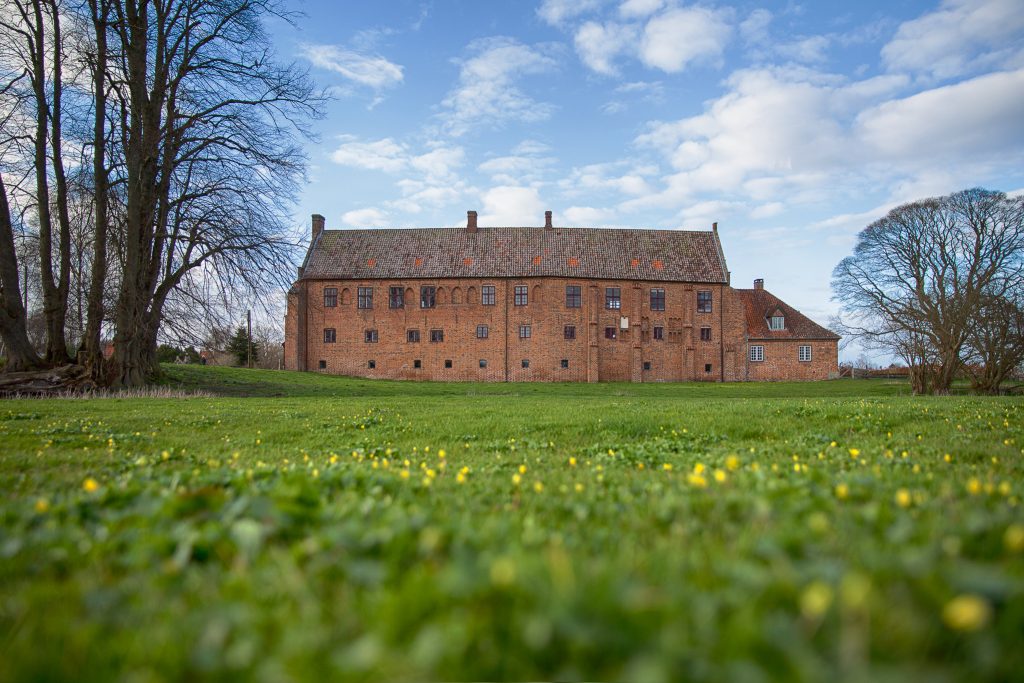
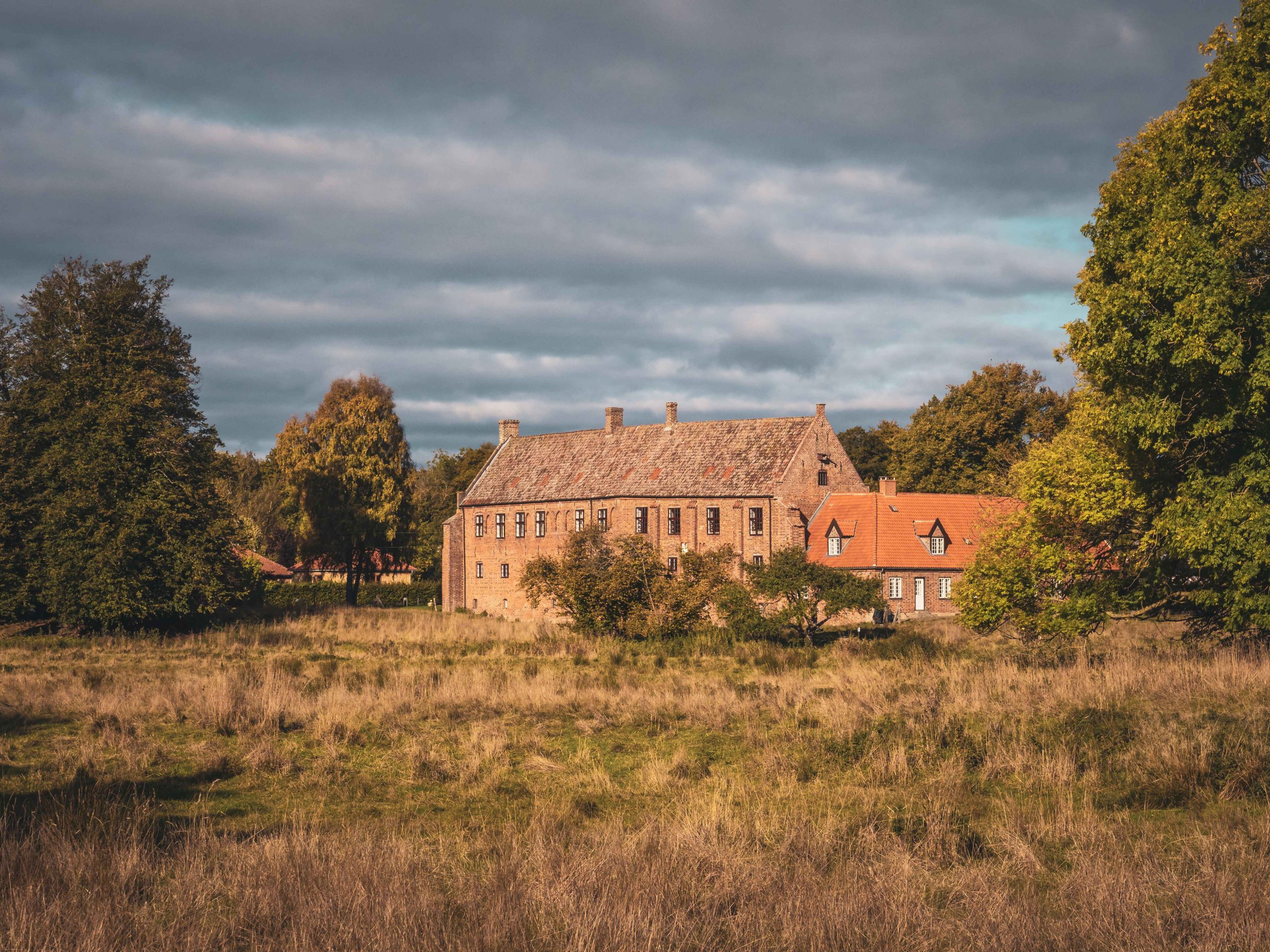
It’s likely that there were a multitude of different gardens within the monastery walls. However, it is also conceivable that large areas outside the walls were used for horticulture, so the gardens extended on the hillsides outside the monastery walls, by the lakes and even around the monastery barns.

Read about Klosterhaven

Plant properties

According to the monks, every plant had a property and could be used to treat diseases. The monks knew of around 250 medicinal plants that they processed for use in their nursing. They used roots, seeds, leaves, fruits and both fresh and dry plant parts.

Diet and medicine were two sides of the same coin. The monks believed that consuming the various plants, fruits and herbs in the garden could have a healing effect on sick patients.

Autumn holiday
October 10th -18thOctober 10th -18th

Autumn holiday

Can you crack the code and reveal the secret of the miller's daughter? Visit us during the fall break October 10-18 and try our puzzle game at Esrum Watermill.
Læs mere
Christmas market
November 28th-29th & December 5th & 6th

Christmas market

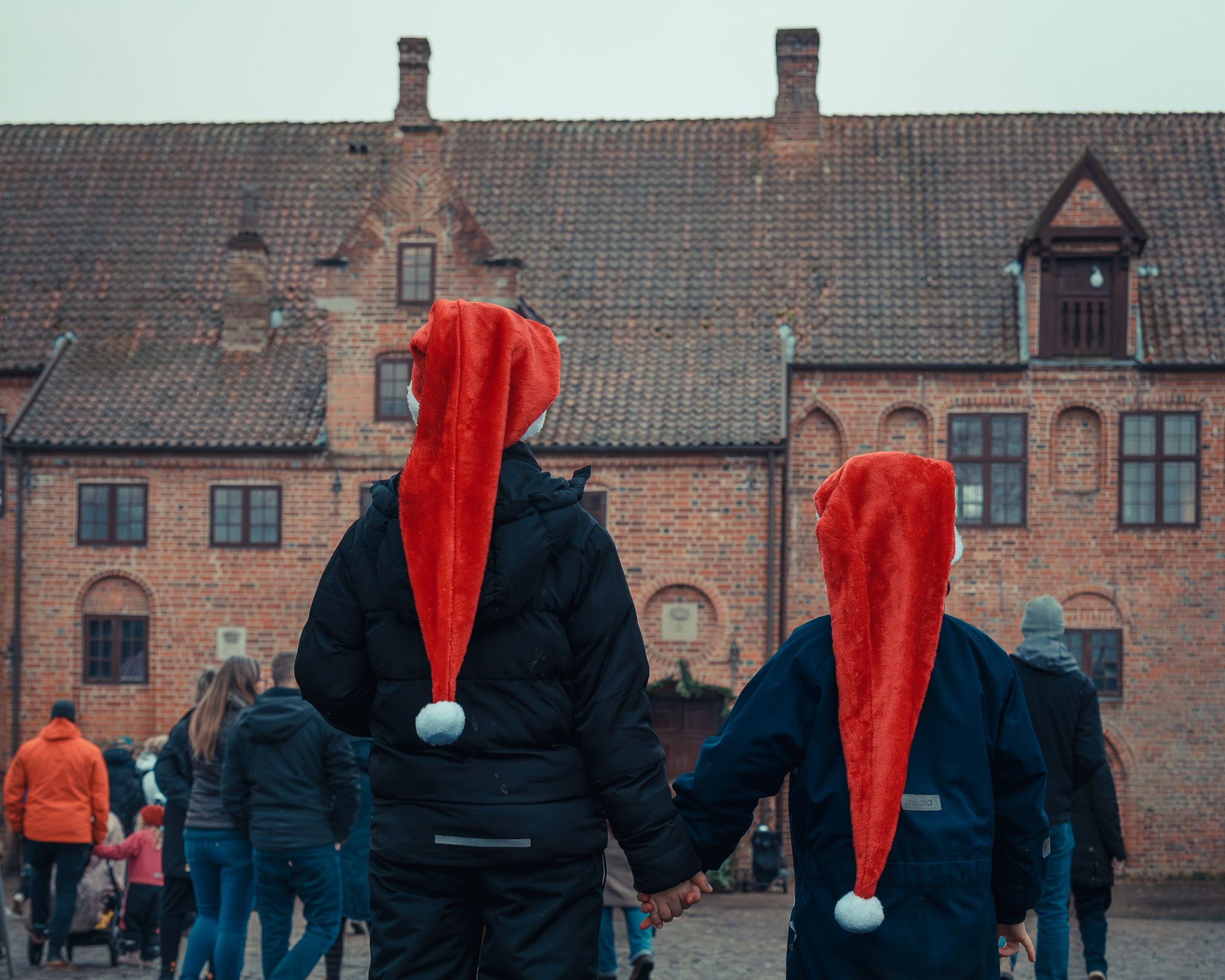
We celebrate 'Crafted by hand' at the most atmospheric Christmas market of the year. Here you'll find plenty of Christmas spirit, French specialties and carefully selected Danish crafts.
Læs mere
Mill day
May 17thsee the dates in 2026

Mill day

Come and experience the historic water mill on our mill days. The mill guild will start the mill so you can experience the fascinating spinning mill wheels and hear about the mill's history.
Læs mere