10. oktober
Mill Day
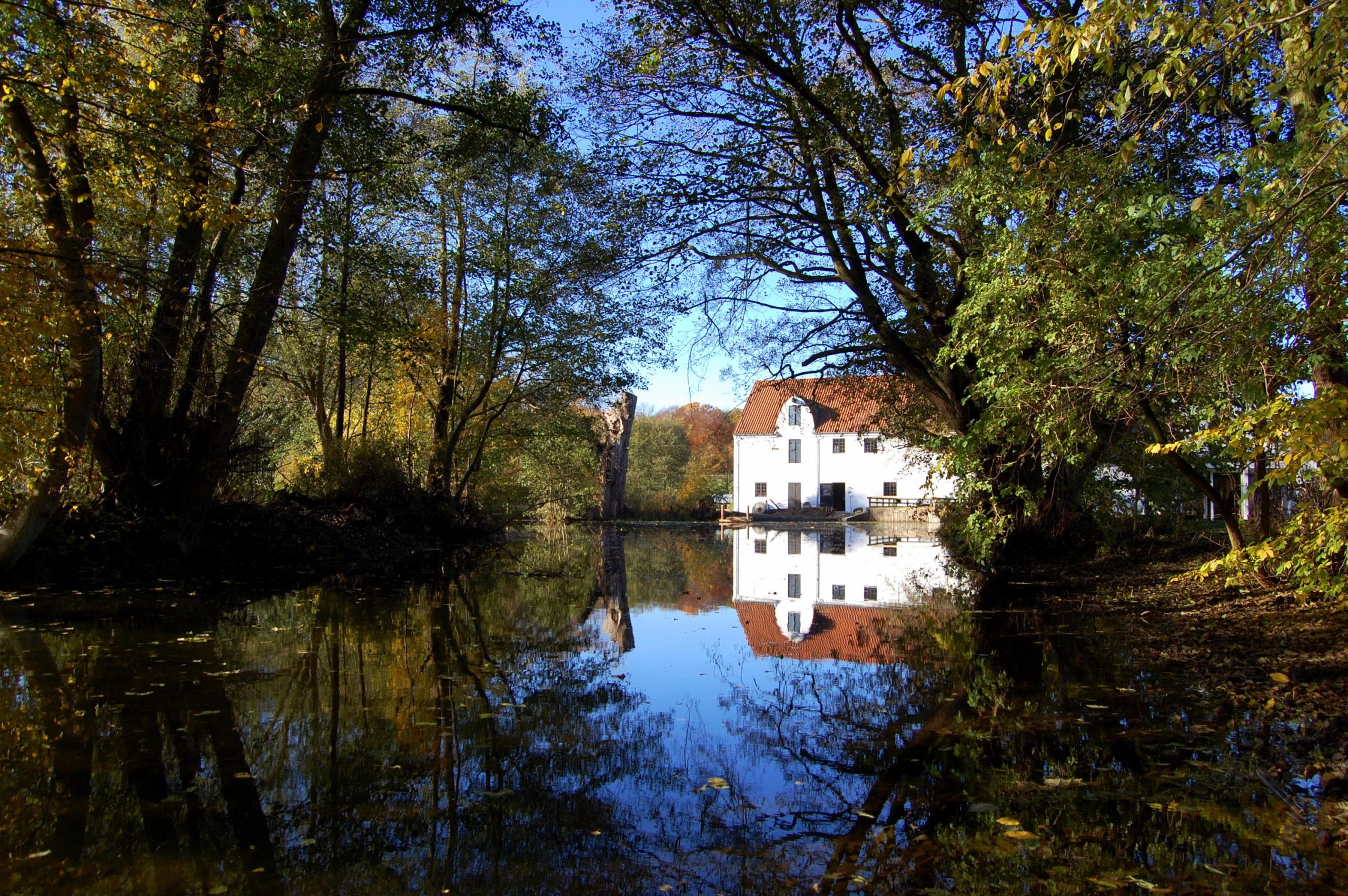
Experience the watermill when our volunteer millers set the large mill wheels in motion. Learn about the importance of water and the history of the watermill inside the mill.
Program:
11:00 a.m.: A brief introduction to the history of the mill and the water, followed by the mill being started up and running for about half an hour.
1:30 p.m.: Introduction and mill operation.
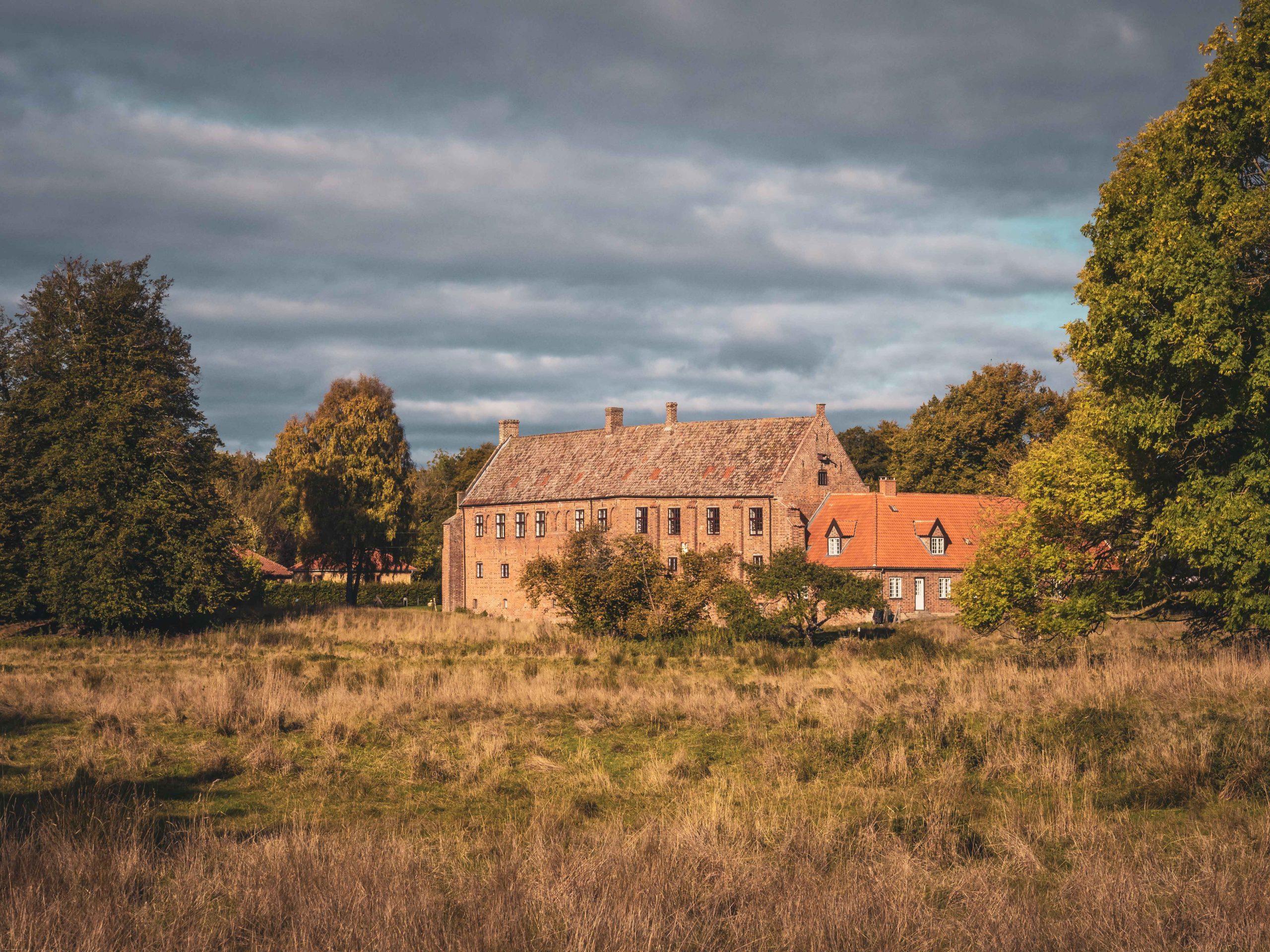
The water in the countryside surrounding Esrum Kloster & Møllegård has played a significant role in the area throughout history.
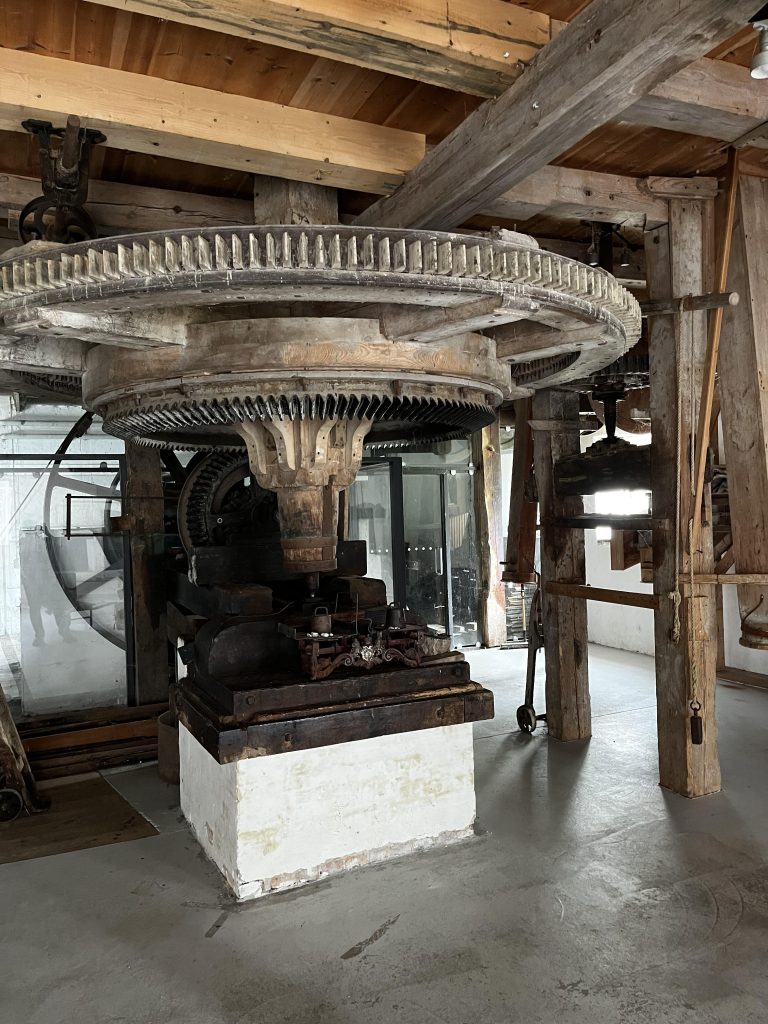
During the mill days, you can see the spinning mill wheel and learn about the watermill.
Dates in 2026:
Mill Day
Thursday, October 15
Fall Break
at 11:00 a.m. & 1:30 p.m.
Mill Day
Friday, October 16
Fall Break
at 11:00 a.m. & 1:30 p.m.
Mill Day
Saturday, October 17
Fall Break
at 11:00 a.m. & 1:30 p.m.
Mill Day
Sunday, October 18
Fall Break
at 11:00 a.m. & 1:30 p.m.
Experience the working watermill
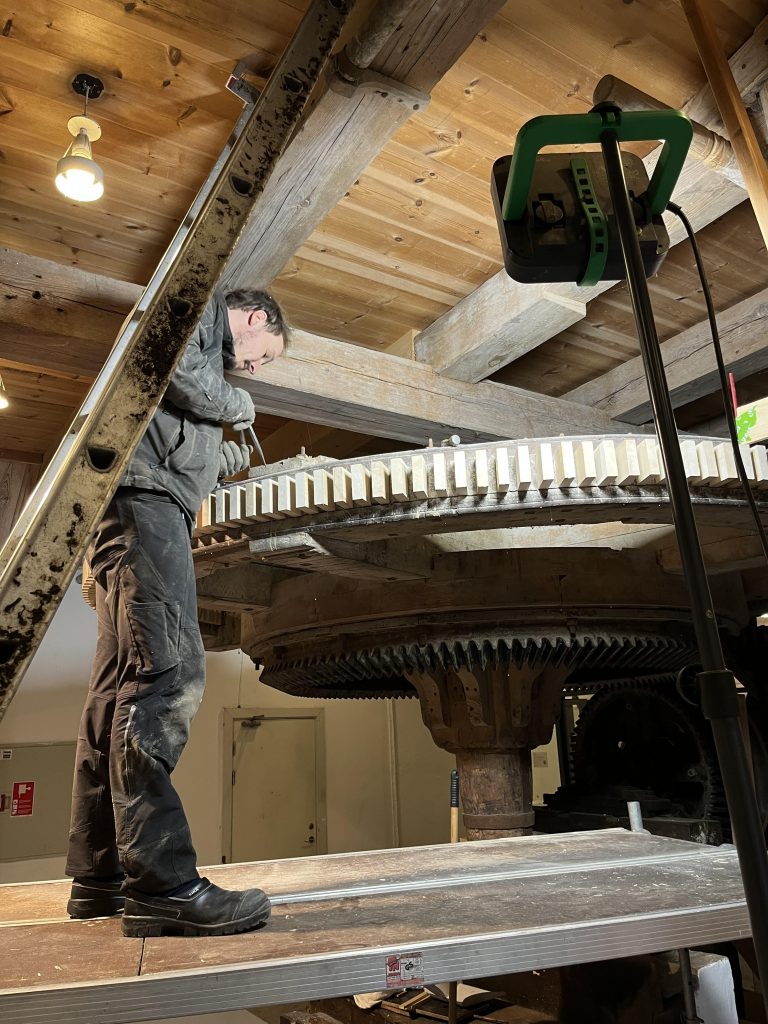
During the mill days, the volunteer mill association will start up the watermill. You can talk to the volunteers in the mill association about their work and the maintenance of the historic watermill.
Program:
11:00 a.m.: A brief introduction to the history of the mill and the water, after which the mill will be started up and run for about half an hour.
1:30 p.m.: Introduction and mill operation.
Admission to the watermill is included in the ticket to Esrum Abbey & Møllegård.
Meet the Millers' Guild
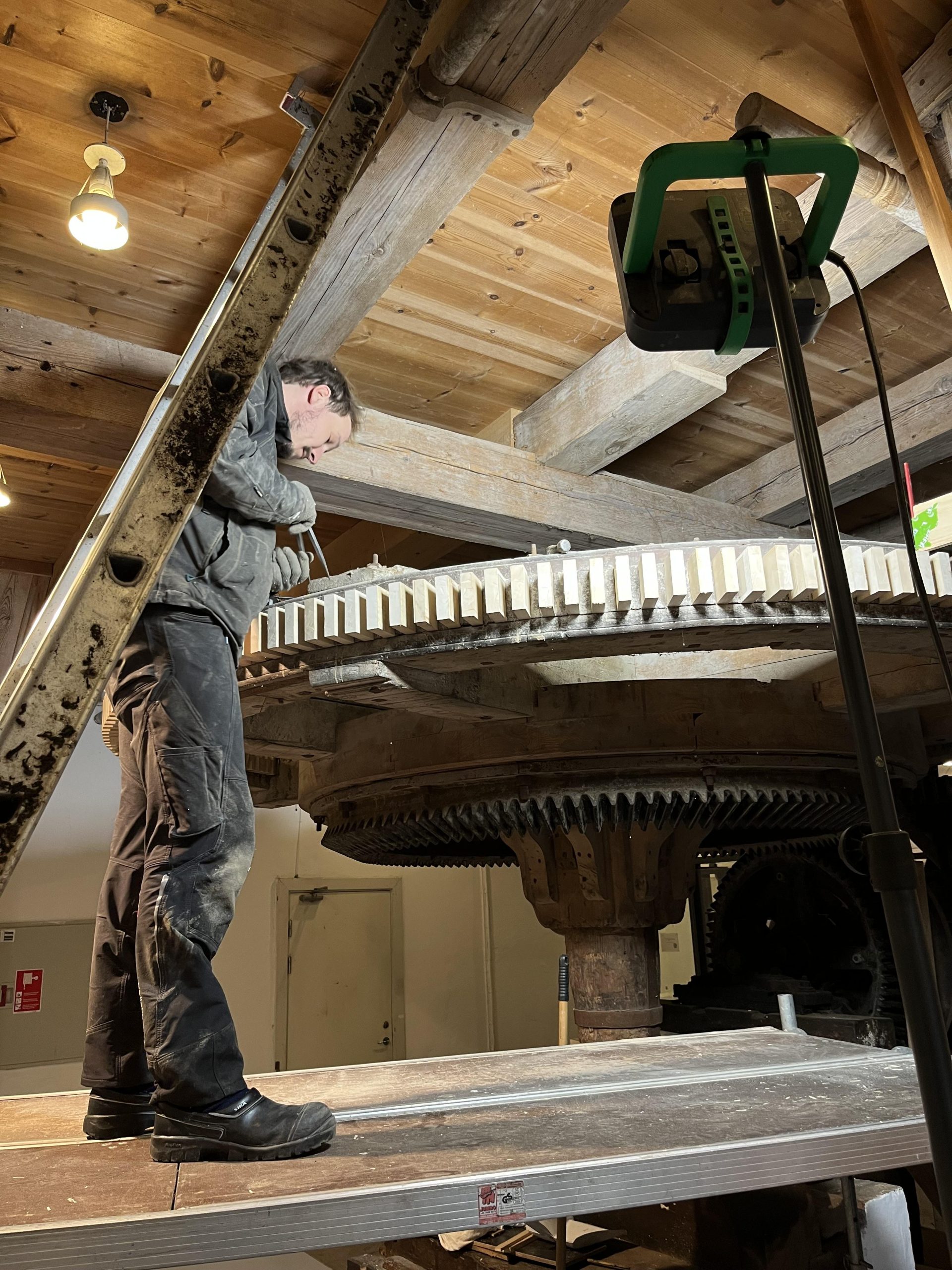
In the spring of 2023, the mill wheel and the entire machinery that powers the mill were restored. This means that, after many years of inactivity, the mill is now operational again. A volunteer mill association is responsible for maintaining the historic watermill, and on mill days, the association starts up the watermill and explains how it works.
The History of Water
In the area around Esrum Abbey, the water winds its way through various watercourses. Lake Esrum, Denmark’s most water-rich lake, lies just two kilometers south of the abbey. From there, the Esrum River flows, carrying large volumes of water into the landscape surrounding Esrum Abbey & Møllegård, where there are streams, small ponds, dams, and wet meadows. Access to these abundant water resources was one of the reasons why the monks—and later the kings as well—chose to settle in Esrum and make use of water mills.